A huge part of the discussion in the creative industries at the moment is around the topic of generative AI. All tech companies like Meta, Apple and Microsoft have pivoted towards it and there's an ongoing discussion on where it fits in the industry and justifiably, the ethics involved in it.
Largely there is a lot of excitement from the tech side, which sees this as the next big step to be disruptive. From the creative side, there is a lot of doom and gloom. Seeing it as stealing work, removing opportunities and potentially killing the industry.
Every day graphic design forums have several posts from juniors worried that they may be entering an industry that may not exist in a few years and seniors disillusioned with businesses questioning the value of their work due to the rise of these "AI" tools.
I will preface with saying that if you are an illustrator or more on the visual art side of design it is more of a concern. These models are using your work for their databases without your consent and even if they aren't as Adobe claims, which I wouldn't take as gospel they are still competing with you to a degree.
With these things in mind, I still think the topic is somewhat overblown in terms of how people are treating it.
Here's my refutation of most of the doomsaying around AI.
I think this argument mostly misses the point of why people hire a designer. It leans into the marketing that evangelists of the technology put out there of AI being some kind of "prometheus steals the fire and gives it to mankind" moment.
It makes the assumption that clients hire designers because designers have some kind of arcane knowledge that they hold. That only they have the skills and knowledge to open photoshop and create design.
They don't. Clients have always been able to purchase or open these programs and do the work themselves. In some cases they even do!
The reason they don't is because they don't have the time, don't have the bandwidth or don't even know what they want or need. They need to be able to take the time to identify and articulate their problems accurately to an AI to get any kind of result out of it.
Designers aren't hired because clients can't make things themselves. They're hired for their taste in aesthetics, their problem solving and their soft skills. AI is never going to be capable of having the empathy, contextual and historical knowledge to go through this process by itself.
This is a bit more of a catch-22. It isn't really a conversation about cost efficiency, it is more of a conversation about personal values.
Since the introduction of services like Canva and Fiverr or arguably even things like clipart and stock websites, there's always been cheaper ways to access design services. It isn't really a conversation regarding costs - it's one about how much you or the client values design and your knowledge and input as a designer.
If the client doesn't value design they were never your client to begin with. That or the job would have been a deeply frustrating one.
The other side of this argument where you could see this as a benefit, is that AI is going to better service these people and replace potentially exploitative services like Fiverr where designers are regularly underpaid and builds this kind of misinformed expectation from clients.
Again, ideally as a designer you should be being hired for your vision, knowledge and taste in the application aesthetics for purpose. These kinds of clients usually aren't doing that and can cause headaches if they just see you as an image generator.
No, you can't. But I'd also argue that you shouldn't in most contexts.
Take the recent NFT craze for instance - why did an NFT have value? It wasn't because of the art, as grifters and scammers in the space would have had you believe. It was because each one had a unique, non-replicable (albeit useless) code.
In what is going to soon become an ocean of AI-generated art (The AI's are already beginning to cannibalise themselves) it's going to be the uniqueness of the choices and physicality that you bring to your work that will be your value and selling point.
Ergo, never more than now has the rationale and strategy behind your choices going to be more important. "I chose these because I thought they looked nice" is no longer going to be a competitive rationale in a world where that is the default for these generative models.
Anecdotally from trying out AI tools, when you have a specific vision in mind it can be a lot quicker to simply surgically execute things manually over spending potentially days trying different prompts to generate something close to exactly what you are after.
Whilst I've done my best here to paint a more optimistic picture here about design as a career I'm going to leave this on a more sober note.
Overall what gets lost a lot in these conversations about AI is the greater impact that automation is having on society as a whole. The creative industry and AI draws more attention from these discussions due to the flashier nature of models such as Midjourney or the newly unveiled Sora.
But data driven fields, customer service and manual corporate busywork jobs are even easier to automate with things like ChatGPT that generates less discussion.
Think about your day to day. You'll talk about a new Pepsi logo but not about their last round of accounting in their annual reports, the process of which is likely to become automated quicker than creative fields are going to be.
Less competitive fields which employ a far larger swathe of society are going to have far fewer jobs than before at a mass scale. For instance, look at your local supermarket which now employs maybe 1/3 of the people it used to and scale from there.
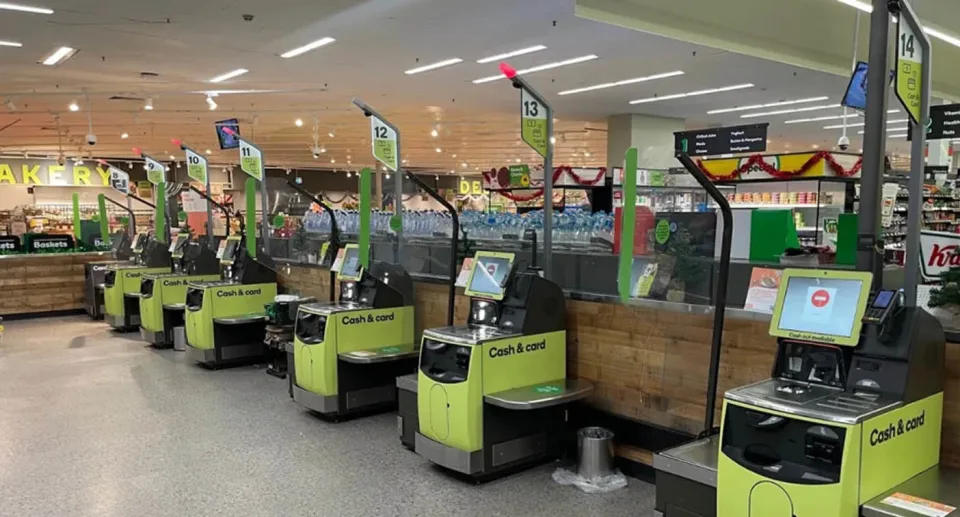
For all of modern history humans have traded their labour for currency, but what if labour is no longer needed? Globally our societies and our economy systems rely on that trade and will need a massive restructuring if it no longer works.
The powers that be are only just barely starting to come to grips with the internet and even the developers of the technology themselves don't seem to know what the potential of AI is yet.
In the worst case scenario we're at risk of sleepwalking into a situation where work no longer has value, letting technology corporations choose how things are run and slipping into a not so great future.
So, next time you feel a little bit worried about Joe Schmo generating a generic hipster logo that you could have done something cooler with, just remember as a creative you've always been competing with automation and self-service. Nothing has really changed for you.
For everyone else, hopefully we can have some of the bigger questions around the value of work and automation figured out sooner rather than later.

